Electric Wheelchairs

Affordable electric wheelchair design improving mobility and independence

Problem

Traditional electric wheelchairs are expensive, limiting accessibility for people with mobility impairments. Many existing designs lack the durability and affordability needed for widespread adoption.

Key Challenges

  • • High cost of commercial electric wheelchairs
  • • Limited accessibility for low-income users
  • • Poor design for African terrain conditions
  • • Lack of local manufacturing solutions

Solution

Design an affordable electric wheelchair optimized for local conditions, featuring improved mobility, durability, and cost-effectiveness through innovative engineering approaches.

Key Features

  • • Cost-effective design and manufacturing
  • • Enhanced mobility and independence
  • • Durable construction for local conditions
  • • Iterative design improvements (V.1 to V.2)
  • • Accessible technology for all users

Project Overview

The Challenge

Diminished quality of life for people with disabilities who cannot access mobility aids. Options which are currently available are expensive and not effective in the current environment. Over 1.9 million mobility-impaired Ghanaians that make about $200 monthly cannot afford existing solutions.

The Solution

Ensuring greater independence by making affordable electric wheelchairs which are tailored to the local context. Design requires little operational assistance and it is suitable for long use due to features that aid in preventing bed sores.
Project Details

Role: Product Manager
Company: Goliath Robotics
Target Users: 1.9M+ Ghanaians
Focus: Accessibility & Affordability

Key Responsibilities

  • • Power circuit and electronics design
  • • Quality control and testing
  • • Local context adaptation
  • • Cost optimization strategies

Version Evolution

VERSION 1.0

E-Wheelchair V.1

Key Features:

  • • Initial concept sketches and design
  • • Basic mobility functionality
  • • Prototype development and testing
  • • Foundation for V.2 improvements

Initial prototype focusing on core mobility needs and local manufacturing feasibility

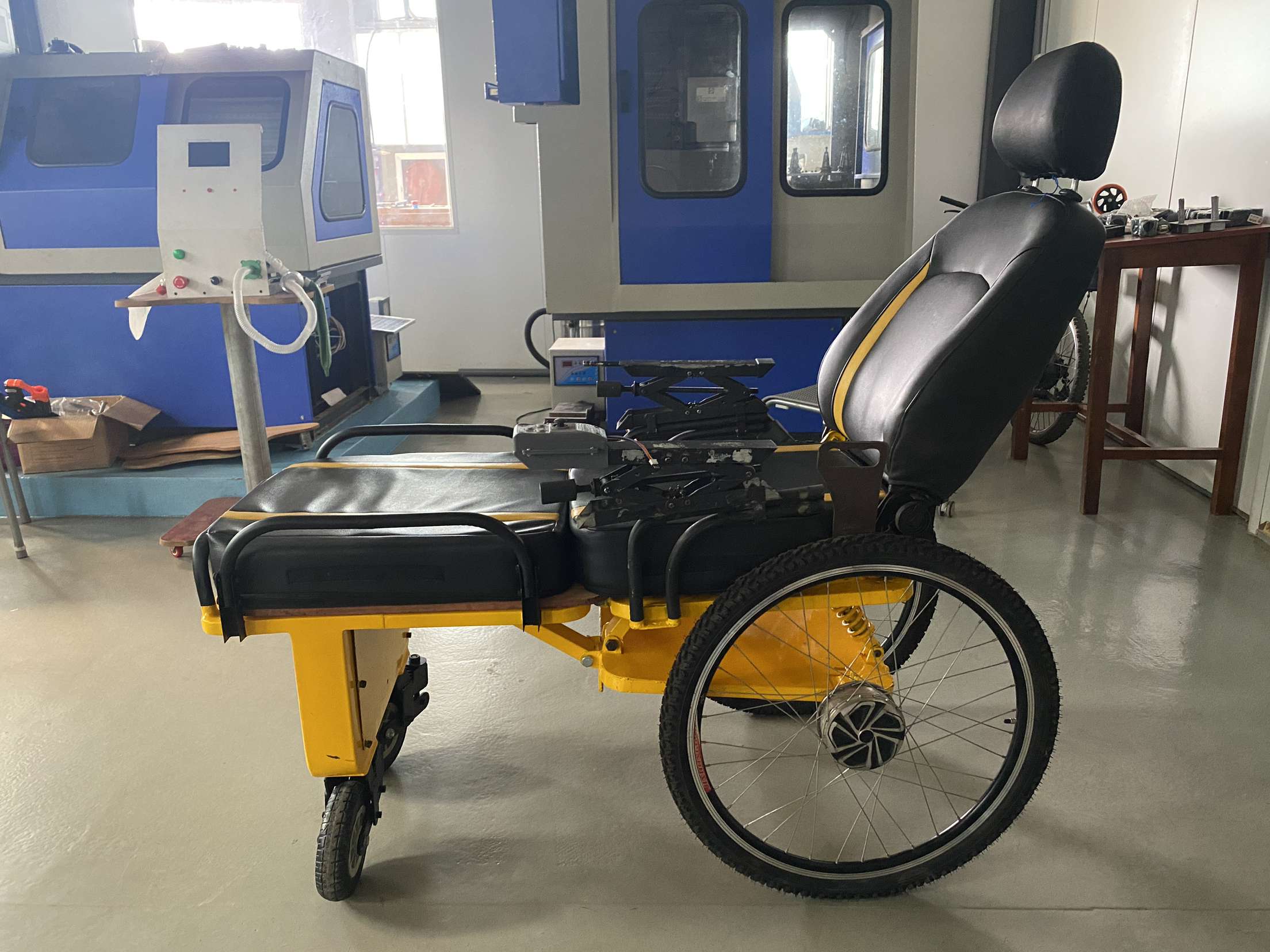
VERSION 2.0

E-Wheelchair V.2

Enhanced Features:

  • • Advanced CAD modeling
  • • Improved power system design
  • • Bed sore prevention features
  • • Optimized local manufacturing

Refined design with enhanced comfort, durability, and manufacturing efficiency

Development Journey

Wheelchair V1 Sketches

V.1 Sketches

Initial wheelchair V1 sketches and concept development

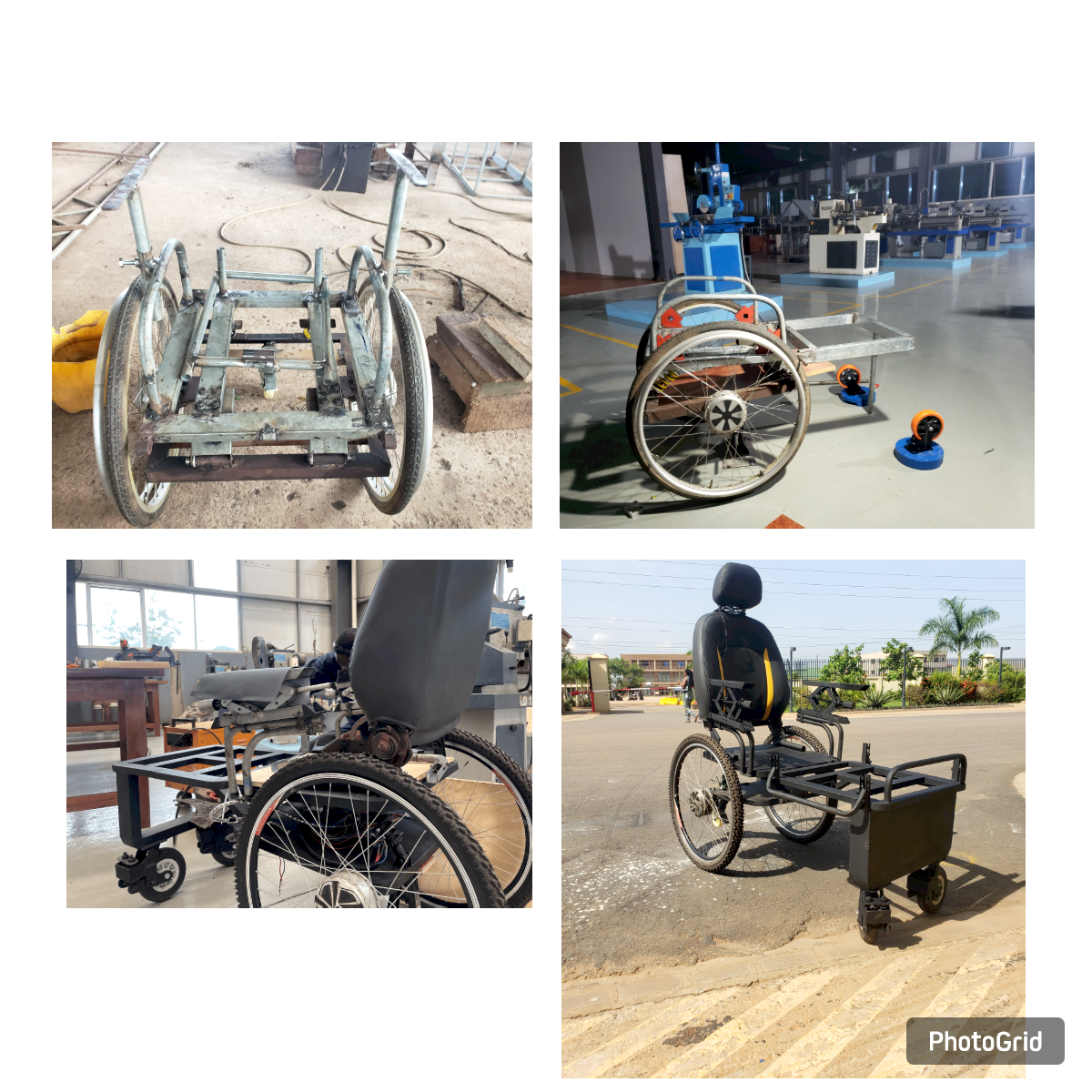
Wheelchair V1 Prototype

V.1 Prototype

Wheelchair V1 prototype development and initial testing

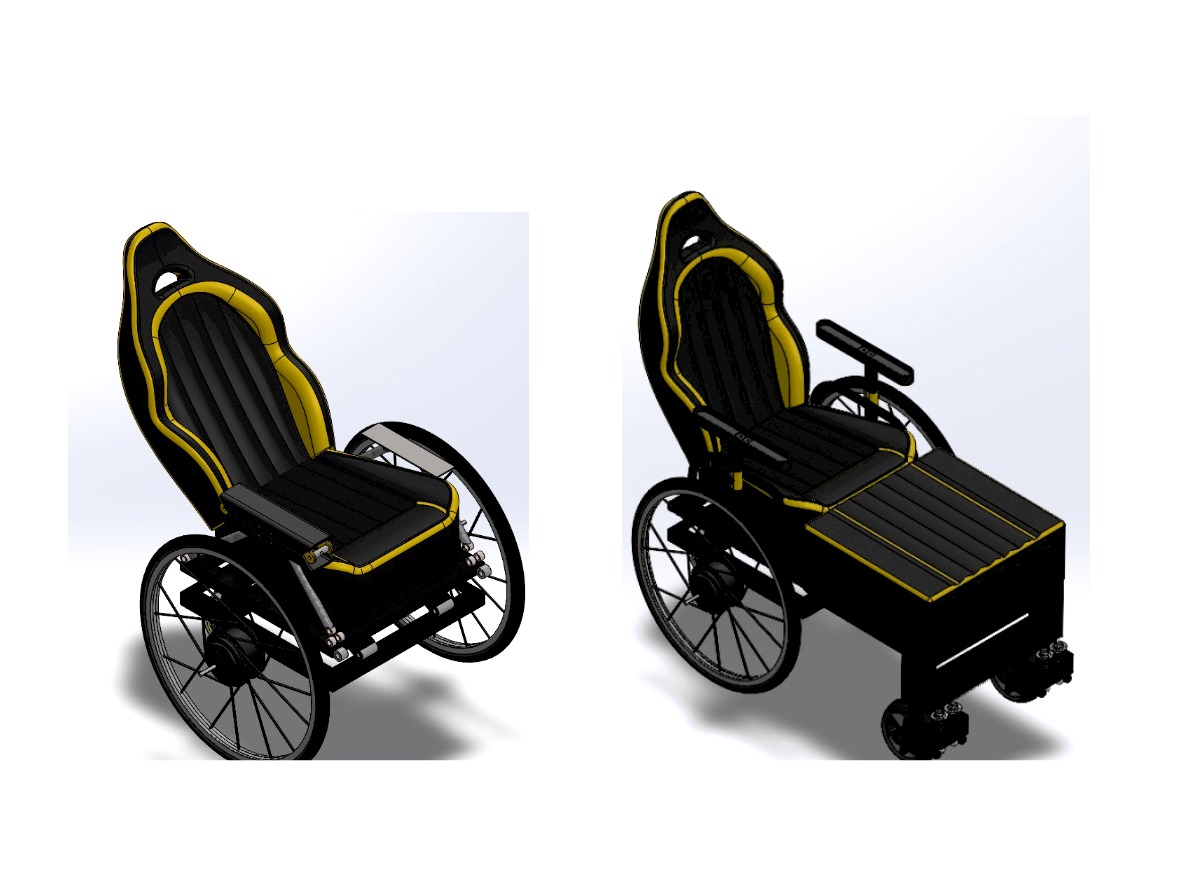
Wheelchair V2 CAD Model

V.2 CAD Model

Advanced CAD modeling for wheelchair V.2 design optimization

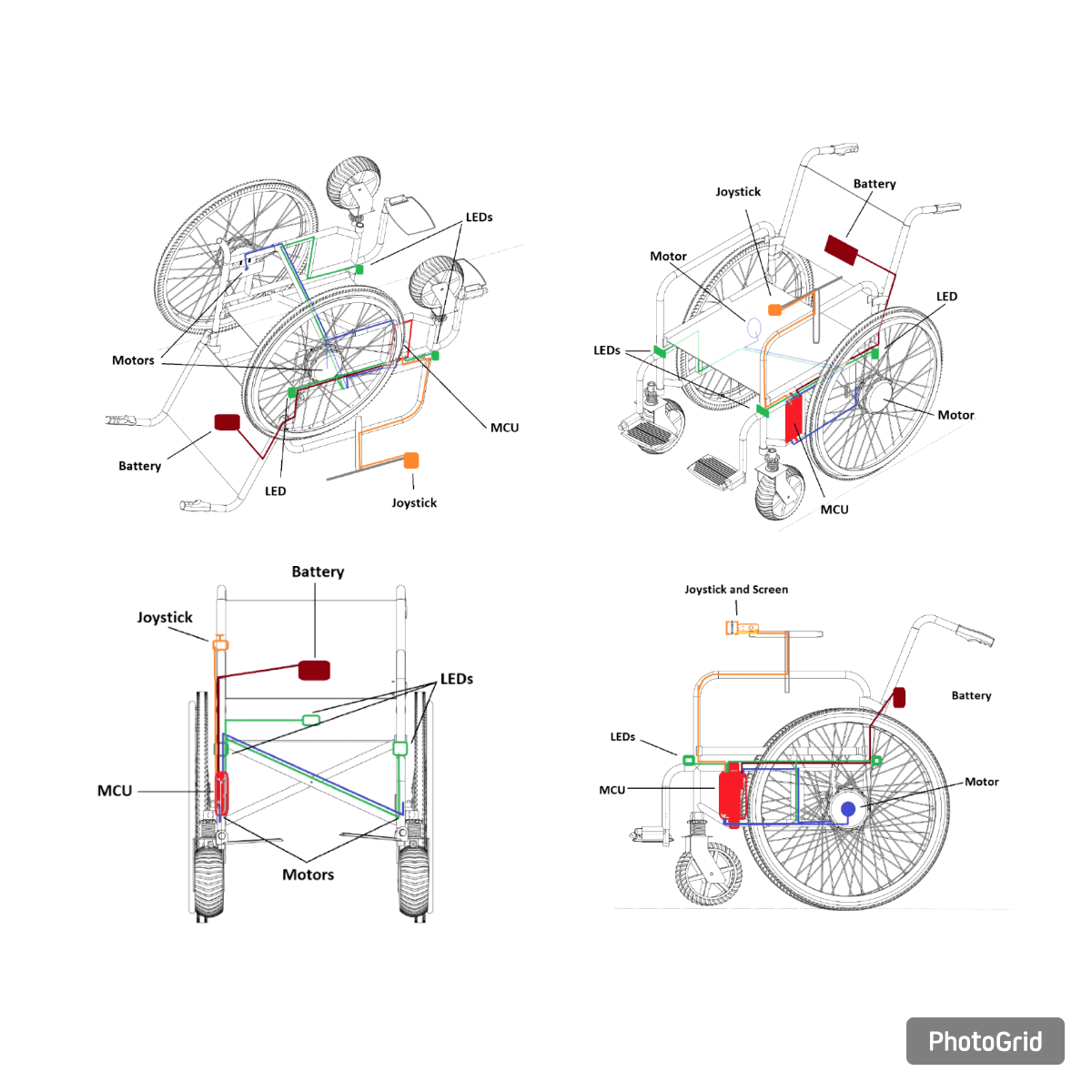
Power System Design

Power System

Power system design and electrical circuit optimization

Design Innovations

Affordable Design

Engineered for users earning ~$200/month with cost-effective manufacturing

Local Context

Designed specifically for Ghana's environment, roads, and user needs

Health Features

Built-in features to prevent bed sores during extended use

Independent Operation

Requires minimal operational assistance for maximum user independence

Durability

Engineered for long-term use with robust power systems

Quality Control

Rigorous testing and quality assurance for reliable performance

Social Impact

Transforming mobility accessibility for Ghana's underserved population

1.9M+
Target Beneficiaries
$200
Monthly Income Target
100%
Independence Goal

Explore More Projects